
Paid Media Is an Accelerant, Not a Repair Kit
Advertising a weak brand buys expensive confirmation that it is weak. Structured correctly, paid search captures existing intent and social amplifies proven creative, and neither is a substitute for the brand underneath.
The request usually arrives phrased as a budget question. How much should we spend on ads to launch this product? The honest answer is that the number matters far less than what the money is pointed at, because paid media multiplies whatever already exists. Multiply a validated proposition and it scales. Multiply an unclear one and it fails faster and more expensively than it would have organically.
That is the whole rule. Everything below is structure.
Search captures intent that already exists
Google Search is not a demand creation channel. It harvests demand that is already being expressed, which makes keyword selection the entire strategic decision.
At launch, a new product brand should not be bidding on its own brand name. Nobody is searching for it. The productive keywords sit at the category problem level: what a customer types when they have the need but not yet a solution in mind. For a single-origin food product that is the language of sourcing, traceability, gifting, and category education rather than the brand string.
Shopping campaigns come later, once ecommerce is live and product data is clean. Running Shopping against an unoptimized catalog spends budget teaching the algorithm about a badly structured feed.
Social does three different jobs and they need different creative
The single most common waste in paid social is running one creative asset across the whole funnel. The three jobs are distinct.
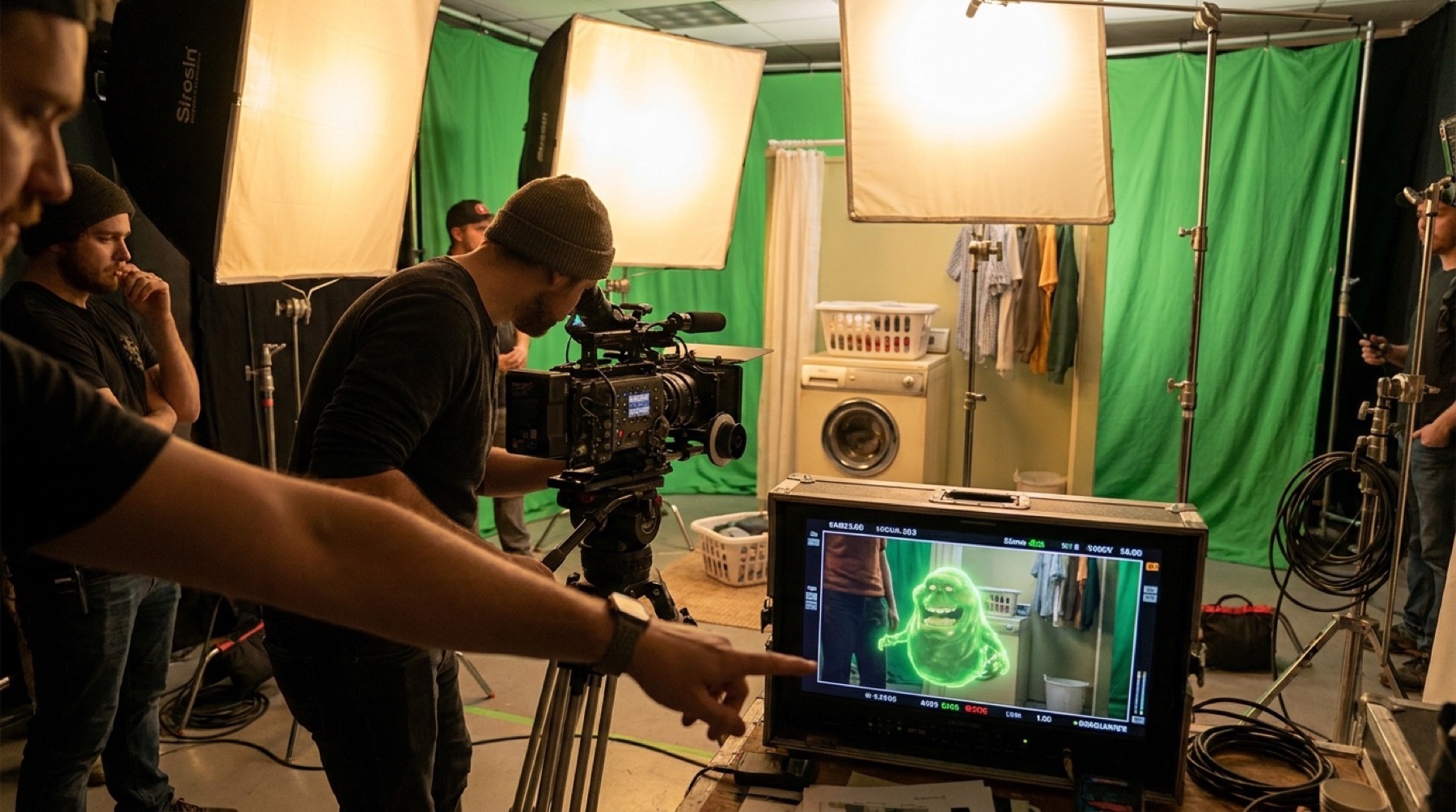
Top of funnel is brand content, and its job is comprehension rather than conversion. This is where a well-made film earns its cost. The Ever Fresh commercial is the useful example: a laundry soap brief calling for a superhero grease-monster narrative, which is difficult to shoot live and expensive to produce entirely in computer graphics. The solution was a hybrid pipeline, live action shot on set integrated with Blender character animation and environmental effects in post-production. The result is broadcast-ready and it punches well above its production budget, which is exactly the advantage a brand needs when it cannot justify major studio costs but will not accept looking cheap.
Mid funnel is retargeting, where the job is answering the objection that stopped the first visit. Usually price, usually resolved by proof rather than discount.
Lower funnel is conversion creative, and the highest performing asset here is almost never studio produced. It is user content: a real customer, a real kitchen, a real scan of a batch code.
Tracking before spending
Attribution set up after a campaign launches produces a month of data nobody can trust. Analytics, the platform pixel, and consistent campaign tagging go in before the first impression is served.
This sounds procedural until a client asks which channel drove a sale and the answer has to be a guess. In a launch with a small budget, one month of untracked spend can be a meaningful share of the entire test.
The refresh cycle nobody schedules
Creative fatigue arrives faster than most brands plan for. The working assumption is a refresh every four to six weeks, which has to be resourced in advance rather than improvised when performance drops.
This is where the content pillar system pays off a second time. A brand producing pillar content on a monthly calendar already has a supply of raw material for ad creative. A brand that treats advertising as a separate production track ends up commissioning a shoot every six weeks and abandoning the cadence when the budget tightens.
Where the budget actually belongs at launch
The staged roadmap places paid acquisition at weeks seven to ten, after brand foundation, digital foundation, and the content system are in place. That ordering is not bureaucratic caution. It is because each preceding stage produces an input the paid stage requires: the positioning that determines keyword themes, the site that receives the traffic, and the content that becomes the creative.
If the brand is weak, no ad budget saves it.
A useful diagnostic before authorizing spend: can the brand state, in one sentence, the provable thing that makes it different, and can a stranger verify that claim in under a minute? For Santuk the answer is a batch code that resolves to an origin record. For Elephant Cashews it is a processing and packing location that keeps value inside the country of origin.
If a brand cannot answer that question, the money is better spent fixing the answer than buying reach for the absence of one. Ads make more people aware of exactly what is already there, and awareness of an unclear proposition is not an asset.