
National Origin as Positioning: When the Country Is the Product
Swiss chocolate, Colombian coffee, and Hawaiian macadamia are not descriptions. They are positions, built deliberately, and a country with an excellent crop and no brand is holding an unclaimed one.
Swiss chocolate, Colombian coffee, New Zealand manuka, Hawaiian macadamia. Each of those phrases carries a price premium that has nothing to do with the words being geographically accurate. They are positions that were constructed, defended, and marketed until the country name became a quality signal that consumers accept without evidence.
The construction is repeatable. It requires an excellent product, a national story, and a brand willing to carry both, and the third element is what is usually missing.
The value chain problem stated plainly
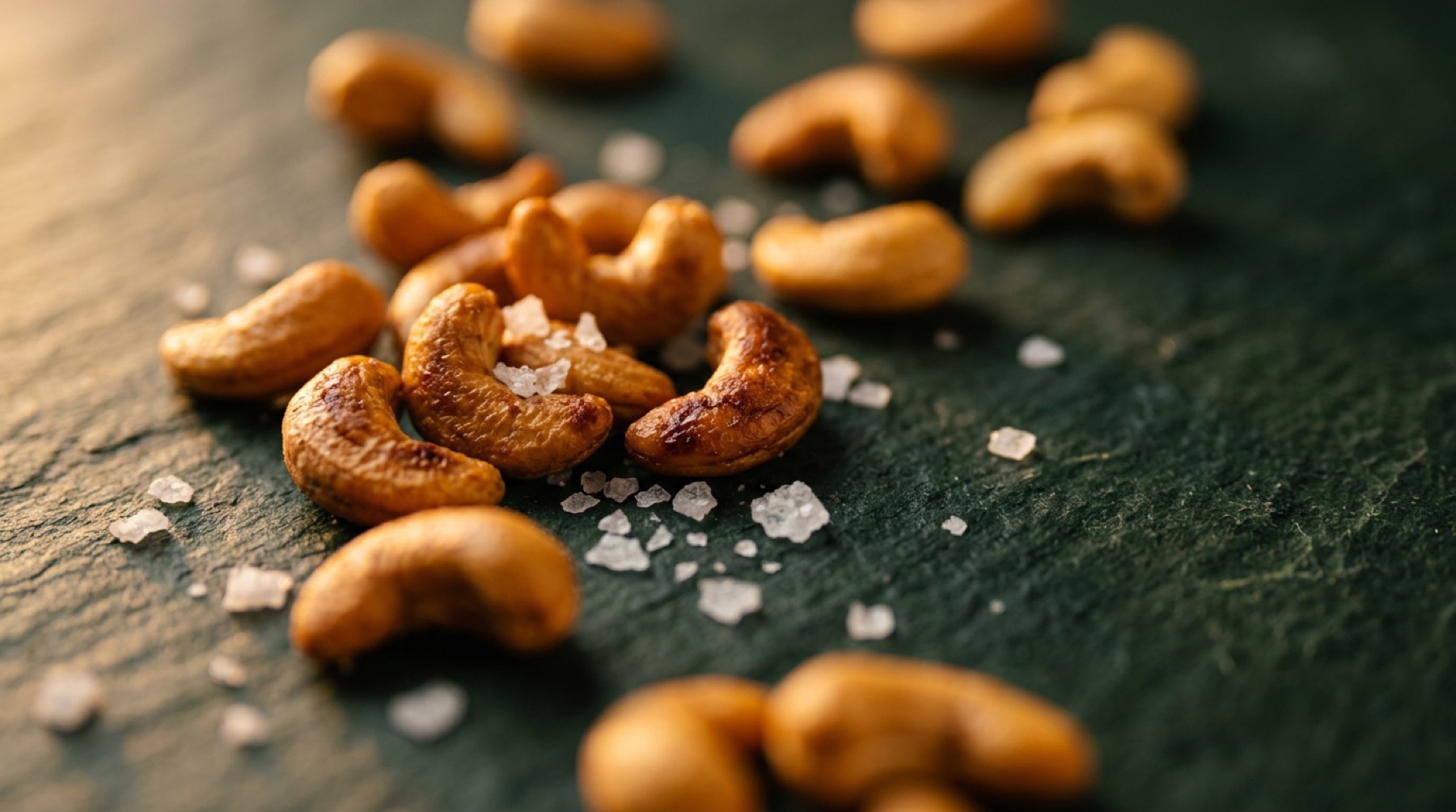
Cambodia grows some of the finest cashews in the world. For decades most of those nuts have crossed the border before the world learned where they came from. The neighboring country processes them, brands them, exports them, and earns the premium.
That is the entire strategic situation in three sentences, and it explains why a branding decision is also an economic one. The crop is not the problem. The position in the value chain is. Elephant Cashews exists to move Cambodia one step up that chain: processed in Cambodia, packed in Cambodia, branded in Cambodia.
The mission statement follows directly, and it is unusually specific for a food brand: to create the world's most respected Cambodian food brand while helping Cambodia retain more value from its own agricultural products.
Why national pride converts
Two attributes combine into the most durable premium positioning available in consumer food: genuine product quality, and a story the buyer wants to participate in.
Quality alone gets a brand onto a specialty shelf. It does not command loyalty, because the next excellent product is one shelf over. Pride alone produces souvenir products, which sell once to tourists and never again.
Together they produce the customer who buys a brand because they believe in what it represents and pays a premium for that belief. That is a durable position because the belief is not a feature a competitor can copy into their specification sheet.
The message architecture for Elephant Cashews is built entirely on that combination. Every bag builds Cambodia. Proudly grown, proudly processed, proudly Cambodian. More than a snack, a nation's story. Taste the Kingdom. From Cambodian soil to the world's table.
Each of those is short enough to be repeated accurately by a customer who heard it once, which is the only test a tagline needs to pass.
What makes the claim survivable
A national origin claim invites scrutiny that a generic premium claim does not. If a brand argues that buying it benefits a country, buyers will eventually check.
Which is why the values sit as operational commitments rather than as sentiment. Cambodia first, meaning every purchase supports Cambodian agriculture and every label tells a Cambodian story. Farmers first, meaning real farmers appear in the brand's content and the families growing the crop are named rather than abstracted. Quality before quantity, meaning the brand never races to be cheapest. Radical transparency, meaning where it came from, who processed it, how it was grown, and who benefits are all disclosed.
The fourth commitment is what makes the first three checkable. Transparency converts a national story from a marketing position into a verifiable one, and it is the same mechanism as the Santuk batch record operating at a different scale.
Export sequencing
A national premium brand does not launch globally. It launches in the markets that reward provenance most and expands from proof.
The phased target list runs the United States, Canada, Australia, Singapore, Japan, and South Korea first, markets with established premium nut categories and consumers who already pay for origin. The second wave adds the United Kingdom, Germany, France, the Netherlands, and the UAE. The third reaches the Nordics, Switzerland, Hong Kong, Taiwan, and New Zealand.
The ordering is not by market size. It is by how quickly a provenance argument is understood, because the first wave has to produce the reference customers and reviews that the second wave will be evaluated against.
The platform question
The most valuable long-term asset in this kind of positioning is not the individual product. It is the platform the product proves.
Once a Cambodian food brand earns international trust, the same argument extends naturally to Kampot pepper, palm sugar, dried mango, coconut products, and spices, all under one promise of premium Cambodian origin. Two properties support that ambition: a commercial storefront for the flagship product, and a publishing platform that tells the country's story through food, culture, and agriculture.
That second property is the part most producers skip, and it is where the durable value accumulates. The storefront sells the current product. The publishing platform builds the category recognition that makes every subsequent product easier to launch.
The story is worth more than the crop, because the crop can be bought from anyone and the story cannot.
What this requires of the client
Honesty about the operational reality, permanently. A brand claiming domestic processing has to actually process domestically, at every volume, including the quarter when it would be cheaper not to.
The moment that claim becomes convenient rather than true, the entire position collapses, and it collapses faster than it was built. Which is the reason a national positioning has to be underwritten by operational commitment before it appears in a single piece of copy.