
Direct First, Retail Second, and Never Two Prices for One Product
Channel order decides margin, data ownership, and whether a premium price survives contact with the market. Get the sequence wrong and retail sets your positioning before you do.
A product brand makes one structural decision early that constrains everything after it: which channel it builds first. The choice looks operational. It is actually a positioning decision, because whichever channel comes first will define what the product is worth in the customer's mind.
The default sequence is direct to consumer first, selective retail second. Not because retail is inferior, but because of what each channel does to control.
What direct ownership buys
Selling direct carries the highest margin, and margin at launch is what funds the content, photography, and packaging that make a premium claim credible. That much is obvious. The two less obvious advantages matter more over a five year horizon.
The first is first-party data. A direct channel produces a customer list, purchase frequency, basket composition, and the ability to contact buyers without paying a platform for permission. A wholesale-first brand knows how many cases shipped and nothing about who opened them.
The second is narrative control. On an owned site the brand decides the order in which information appears: benefit first, proof second, process third, reviews last. On a retail shelf the product gets three seconds and a neighbor it did not choose.
Retail as amplification, not as discovery
Retail enters once direct has proven the proposition, and the placement is selective by design. Strategic listings protect brand pricing and perception. Indiscriminate ones destroy both.
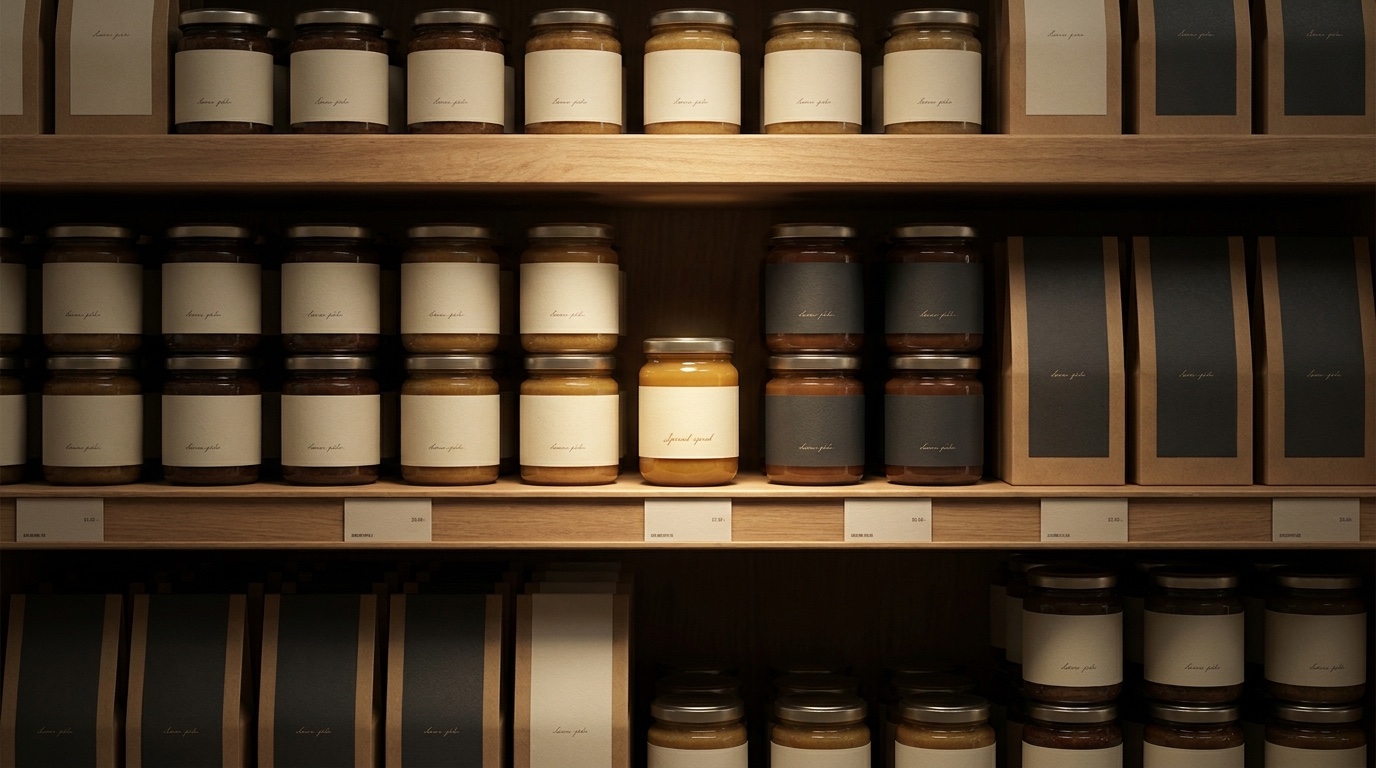
For a premium Cambodian food product the sequence reads as boutique hotels and resort gift shops, then premium grocery and specialty organic stores, then airport retail for tourist gifting, then direct online, then regional export through specialty importers. Each of those environments already signals a price tier before the customer picks the jar up. Placing the same jar in a discount aisle communicates the opposite with equal efficiency, and the correction is expensive.
The rule with no exceptions
Never dilute on price across channels. Synchronized pricing is non-negotiable.
Price inconsistency between a website and a shelf teaches customers to wait, teaches retailers the brand cannot be trusted to protect their margin, and teaches distributors that the number is negotiable. Every one of those lessons is permanent.
The related rule is equally firm: no discounting at launch. A launch discount does not accelerate adoption in a premium category, it sets the reference price at the discounted number and makes the eventual list price feel like an increase.
Santuk's pricing structure holds because it is justified by structure rather than by promotion. Twelve to eighteen dollars at 250 grams, twenty-two to thirty-two at 500 grams, thirty-eight to fifty for a two-jar gift set, against commodity honey at a fraction of that. What defends the multiple is the documented origin, the batch and QR proof, the lab moisture data, the packaging, the named beekeeper, and limited seasonal production. Discount any of it and the entire justification weakens at once.
Product line architecture follows the same logic
The temptation once a first product works is to extend immediately. Range creates shelf presence, and shelf presence feels like growth.
The phased architecture resists that. Phase one is the core single-origin product, one SKU, batch traced, launched immediately. Phase two adds a named seasonal varietal with vintage dating, and only after two consistent batches have shipped. Phase three is a limited numbered reserve, triggered when demand exceeds supply rather than when the calendar suggests it. Phase four is a collector edition for the gifting season in year two. Phase five considers a second origin, and only if that origin earns its own story.
The trigger conditions are the point. Each phase launches on evidence, not ambition. A brand that ships four variants in year one has multiplied its operational complexity before proving it can run one product consistently, and inconsistency is fatal to a provenance claim.
Ecommerce structure that matches the argument
When the direct channel is built, the product page follows the order the brand actually argues in: benefit-first headline, proof second, ingredient and process detail third, reviews last. Site architecture mirrors the content pillars so that a visitor who arrived through an educational article lands somewhere coherent rather than in a catalog.
The lifecycle flows carry the same sequencing logic. A welcome series that educates rather than discounts. An abandoned cart flow. A post-purchase flow that invites the buyer into the community rather than immediately upselling. A replenishment flow timed to actual consumption.
Shopify is the default platform, and alternatives need an operational reason rather than a preference. The reasoning is unglamorous: the integrations, payment handling, and export logistics are solved problems there, and a launch should not be spending its engineering budget rediscovering them.
The question that reveals the answer
When a client asks whether to take a large wholesale order before the direct channel exists, the useful question back is: what does this order teach us?
If the answer is a volume number and nothing else, the order is revenue without information, and it will set a price expectation the brand has not yet earned the standing to defend. If the answer includes a named account whose shelf is itself an endorsement, it may be worth taking early.
Most of the time it is the former, which is why the sequence holds.